How Often Should You Pump Your Septic Tank? A 2026 Residential Septic System Service Guide for Montgomery County, PA Homeowners
This guide covers what Montgomery County, PA, homeowners need to know about septic tank pump-out frequency and why staying on schedule matters for your property and your neighbors. Residential septic system service in Lansdale, PA, is in demand because a significant share of homes in and around Montgomery County still rely on on-lot septic systems rather than public sewer connections. Knowing the right pump schedule protects your drain field, your groundwater, and your wallet.
What the PA DEP Recommends for Septic Tank Pumping
Most Pennsylvania homeowners should pump their septic tank every three to five years. The Pennsylvania Department of Environmental Protection (DEP) notes that a septic tank "accumulates solids (sludge) and scum, which should be pumped out at least every three to five years." Pennsylvania does not set a statewide law mandating a specific interval, but the DEP and EPA both strongly recommend this window to prevent system failure.
How Household Size Affects Your Schedule
Larger households generate more wastewater and fill tanks faster. A two-person household with a 1,000-gallon tank may go five or more years between pump-outs, while a family of five using that same tank may need service every two to three years. Scheduling residential septic system service on a consistent cycle is the most reliable way to stay ahead of sludge buildup.
How Tank Size Is Determined in Pennsylvania
Pennsylvania sizes septic tanks by the number of bedrooms, not the number of current occupants. A standard three-bedroom home must have at least a 900-gallon tank. Knowing your tank's capacity is the first step toward setting the right pump-out interval for your property.
Why Montgomery County Conditions May Require More Attention
Montgomery County's soil and geology can put extra stress on septic systems. The county features Piedmont soils with well-drained loams in upland areas and heavier clay subsoils at lower elevations. The underlying Wissahickon Schist formation produces rocky, shallow soils that can limit conventional drain field depth. In areas around Lansdale, North Wales, Hatfield, and Montgomeryville, properties at lower elevations or near seasonal drainage channels may experience slower soil absorption, which accelerates sludge buildup. Homeowners in these communities benefit most from residential septic system service on the shorter end of the recommended interval.
Some municipalities in Montgomery County have also enacted sewage management programs requiring periodic pumping and inspections beyond general DEP guidance. Check with your local township office or the Montgomery County Office of Public Health to confirm any requirements for your address.
Signs Your Tank May Need Service Sooner
Every pump schedule is an estimate. Watch for these warning signs that your system may need attention before your next scheduled service:
- Slow drains throughout the house, not just one fixture.
- Gurgling sounds from toilets or sinks after flushing.
- Sewage odors near the tank or drain field area.
- Wet, spongy, or unusually green grass over the drain field.
- Sewage backing up into the lowest drains in the home.
Sludge that is not removed on time can flow into the drain field, clogging it and causing a system failure far more expensive than routine pumping. Contacting a residential septic system service provider promptly can prevent a minor issue from becoming a major repair.
Factors That May Shorten Your Pump Interval
Several household habits can push sludge levels up faster. If any of the following apply, consider moving toward the shorter end of the three-to-five-year window:
- Regular use of a garbage disposal, which can roughly cut the effective pumping interval in half.
- Frequent use of harsh chemical drain cleaners, which may disrupt beneficial bacteria inside the tank.
- Additional occupants or frequent guests.
- Multiple daily laundry loads entering the system.
A qualified residential septic system service provider can measure sludge and scum levels during a routine visit and advise you on the ideal schedule going forward.
How to Choose a Qualified Contractor in Montgomery County
When hiring a contractor in the Lansdale area, look for these qualifications:
- A PA DEP hauling permit, required for any company legally pumping and disposing of septic waste in Pennsylvania.
- Membership in or certification from the Pennsylvania Septage Management Association (PSMA). The PSMA directory is a reliable starting point for finding vetted companies.
- General liability insurance and workers' compensation coverage.
- Local experience in Montgomery County, including familiarity with Piedmont soil conditions and the county's permitting process through the Office of Public Health.
Choosing a provider with a strong local track record of residential septic system service means working with someone who understands the soil, permitting, and inspection landscape unique to this part of Pennsylvania.
Get Expert Residential Septic System Service Serving Lansdale, PA
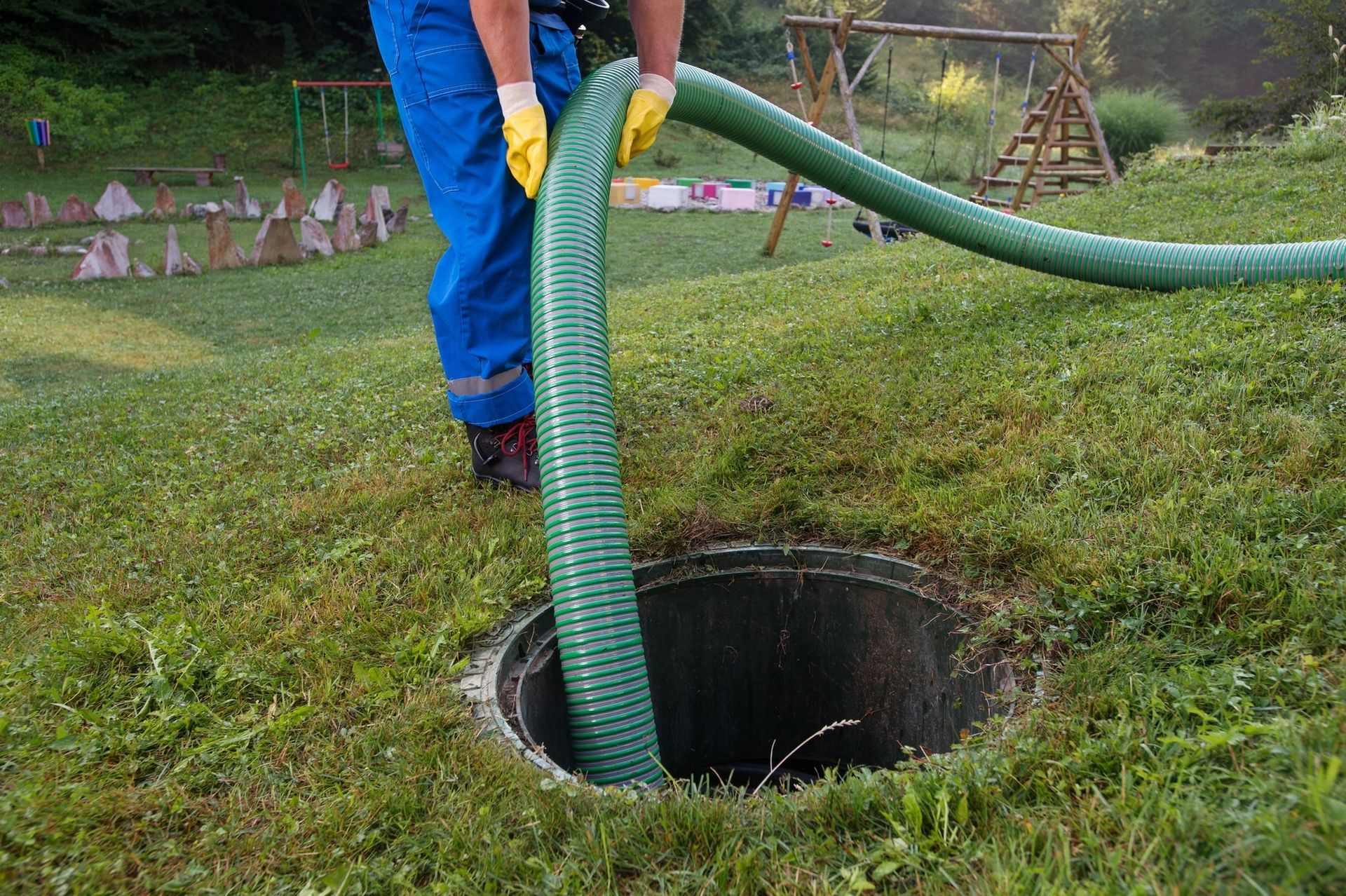
Keeping a consistent pump-out schedule is one of the simplest things a homeowner can do to protect a major property asset. For more information on what a full-service visit involves, see our septic tank pumping and cleaning services page.
George Allen Wastewater Management has served homeowners throughout Bucks and Montgomery counties for over 40 years, offering residential septic system service, pumping, installation, repair, and inspection. To schedule a pump-out or ask about your system, contact us online or call (215) 997-3299. You can also find us and read local reviews at George Allen Wastewater Management.