Local Septic System: Septic Pumping vs. Cleaning, What's the Difference?
Are you unsure what separates septic pumping from septic cleaning? In this article, we break down the differences so you can protect your system from costly failures. Both services matter, but they are not the same thing.
What Is Septic Pumping?
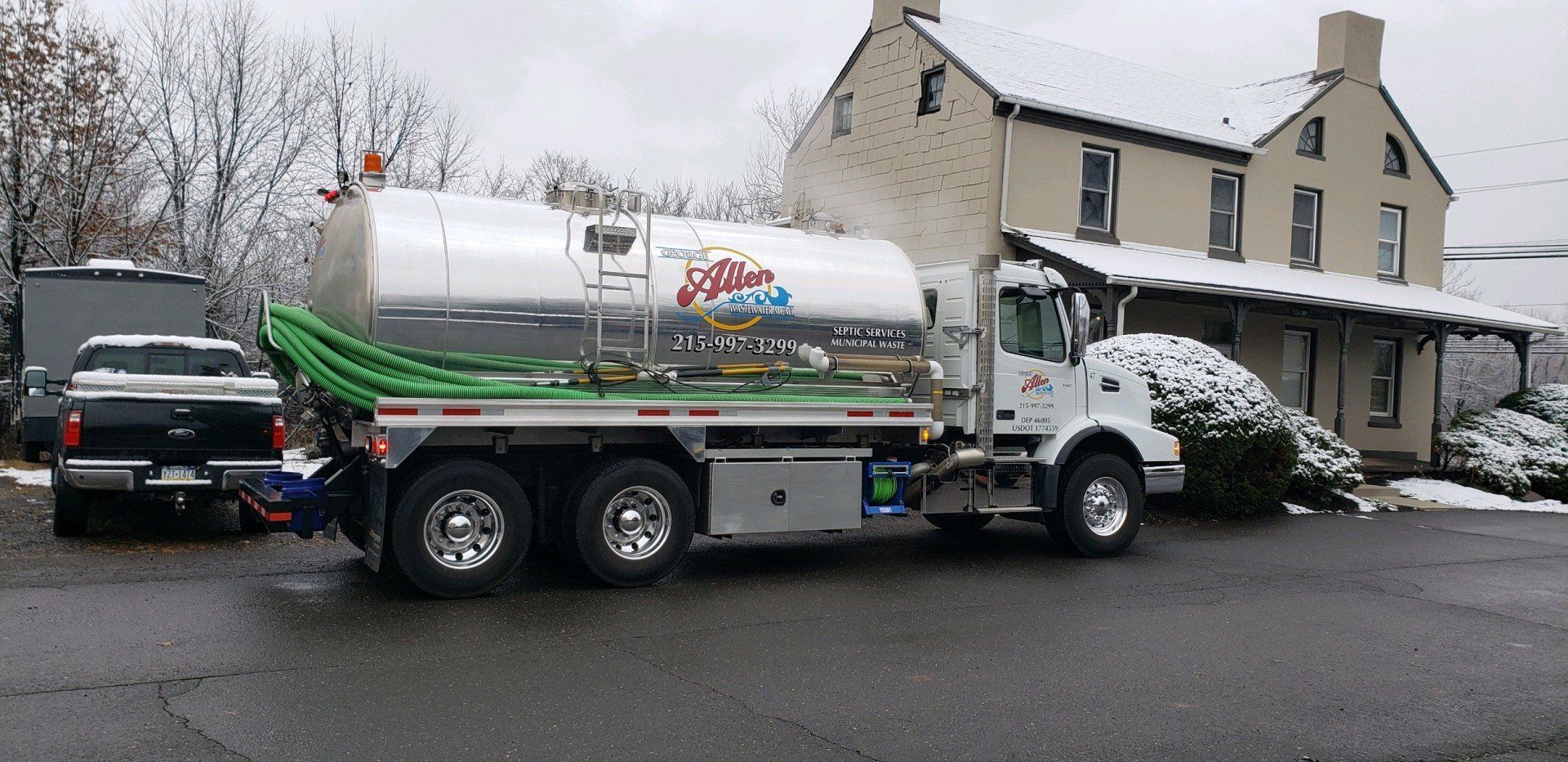
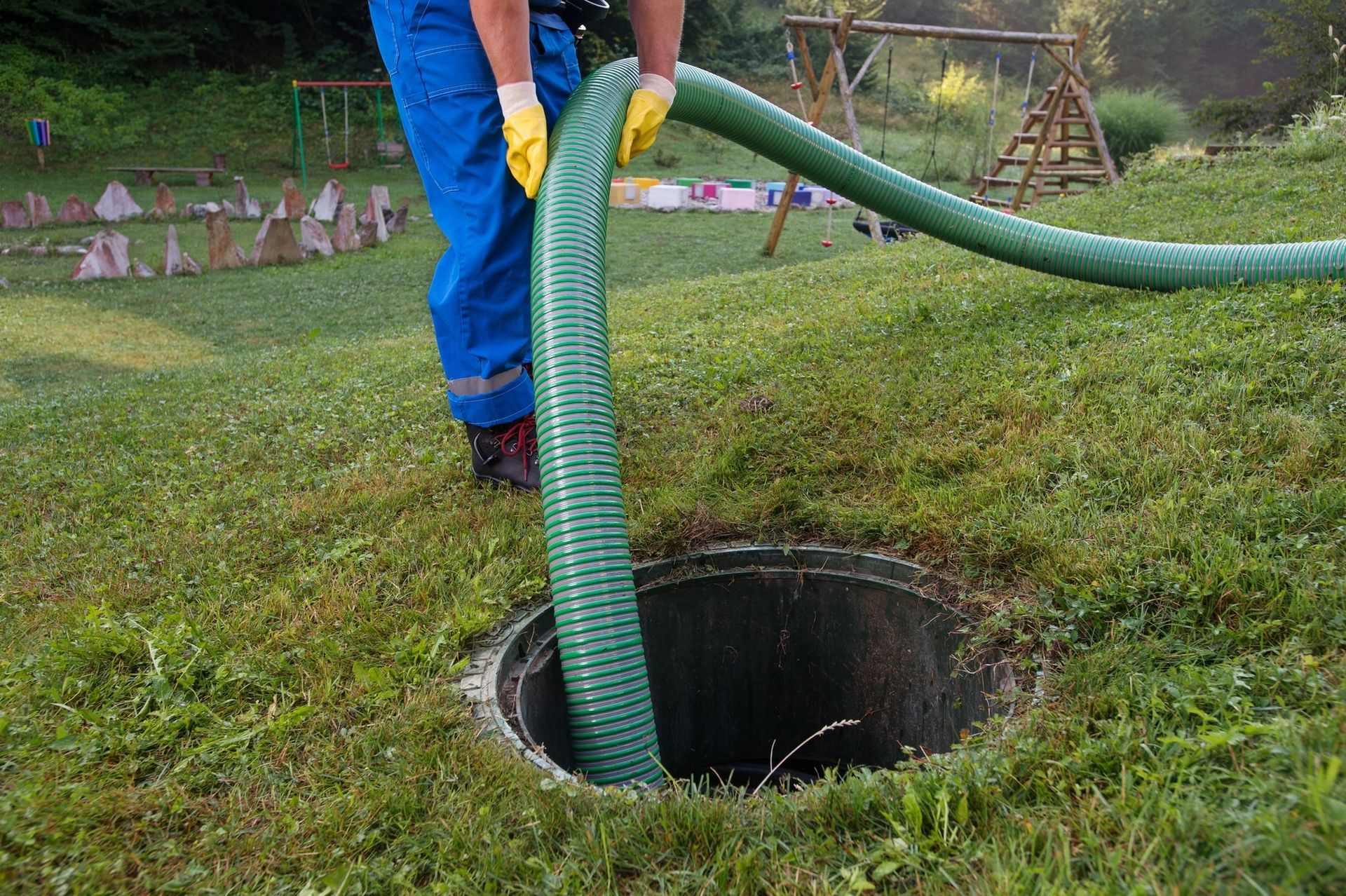
Septic pumping is routine maintenance that removes liquid waste, the scum layer, and lighter solids from your tank using a vacuum truck. The goal is to reduce volume before it reaches a level that pushes untreated waste into your drain field.
Most tanks should be pumped every two to five years depending on tank size and household size. The PA DEP recommends pumping every two to three years for a typical household. Older systems in Springfield Township, Montgomery County, may need more frequent service. Consistent local septic system service is one of the most effective ways to extend the life of your tank and drain field.
What Is Septic Cleaning, and How Is It Different?
Septic cleaning goes further than pumping. It targets the hardened sludge that settles at the bottom of the tank over time. This material does not break down on its own and must be physically loosened and vacuumed out. Technicians may also rinse the interior walls and inspect baffles during a cleaning visit.
Think of pumping as emptying a cup and cleaning as scrubbing it afterward. A tank that is only pumped and never fully cleaned can develop thick sludge buildup that reduces tank capacity and strains the drain field.
Pumping vs. Cleaning at a Glance
As a routine local septic system service performed every two to five years, septic pumping removes liquid waste, scum, and light solids, primarily to prevent overflow and drain field backup. Septic cleaning goes a step further by removing all waste, including compacted sludge, restoring full tank capacity. Cleaning is performed less frequently and is often combined with pumping, but becomes necessary when sludge buildup is significant enough that pumping alone will not fully address the problem.
How Do PA DEP Guidelines Affect My Schedule?
Pennsylvania guidance requires pumping at least every three years, or whenever solids exceed one-third of the liquid depth. The Pennsylvania Sewage Facilities Act (Act 537) sets uniform standards for sewage disposal. Local Montgomery County ordinances may require more frequent service than the state baseline. Check with your local Sewage Enforcement Officer, or ask a qualified local septic system service provider to review your records and clarify your schedule.
What Are the Signs My Tank Needs Service Now?
Contact a provider sooner than your scheduled interval if you notice slow drains throughout the house, gurgling sounds from toilets or sinks, wet or unusually green patches over the drain field, sewage odors indoors or near the tank lid, or sewage backup into a tub or lowest-level drain.
Catching these signs early can prevent a full system failure, which is far more disruptive and expensive to address.
Serving Oreland, PA, With Trusted Septic Care
The clay-heavy soils common in Montgomery County put added stress on drain fields, making proper tank maintenance especially important. Whether your system needs a pump-out or a full cleaning, the right local septic system service provider ensures the work is done correctly the first time.
If you are unsure what your system needs, a quick inspection can give you a clear answer. Reach out through our contact page or learn more about our septic cleaning services.
George Allen Wastewater Management serves Oreland, PA, and communities across Montgomery County. Call
215-997-3299 to schedule service or request a free estimate, or visit
George Allen Wastewater Management
on Google to read reviews from your neighbors.